


One morning I found three tiny white dots under my eye. They weren’t pimples. I pressed on them anyway, the way you do, and got nothing. They just sat there, pale and smug.
Those dots are milia. Little hard bumps that pop up around the eyes and cheeks and refuse to squeeze out. Good news first: you can clear them at home, and you can stop new ones from forming. Now the catch. Everything your fingers want to do, squeeze, dig, scrape, is exactly what leaves a mark. So let’s do this the way that works instead.
The short version
Milia are tiny keratin cysts trapped under the skin. They are not pimples, so there’s nothing to pop. Your two best tools at home are gentle chemical exfoliation and a retinoid. Never dig them out with a needle, the American Academy of Dermatology warns that scars and infection follow. If they won’t budge, a dermatologist clears them in about five minutes.
So what is a milium, really?
A milium is a tiny bit of keratin trapped under your skin. Keratin is a protein your skin makes on its own. Sometimes a little gets sealed in a pocket near the surface, and that’s the bump you see. No dirt. No infection. Nothing you did wrong. The Cleveland Clinic says they turn up most around the eyes, nose and cheeks, and that they’re everywhere, on newborns and grown adults alike.
Here’s the part that changes how you treat them. A whitehead has an opening, so it can drain. A milium doesn’t. It’s sealed shut under a thin layer of skin. Push on it and nothing comes out. You just get a red, cranky patch. Think of a whitehead as a stuck door and a milium as a wall. Leaning harder doesn’t turn the wall into a door.
Dermatologists even split them into two kinds. A review in the Journal of the American Academy of Dermatology calls them primary milia, which show up on their own, and secondary milia, which follow a burn, a blister, or a heavy cream. Knowing which kind you have usually tells you what set them off.
Can you really clear them at home?
Mostly, yes. There’s just one rule you can’t break: don’t dig one out yourself. Everything else you can do from your own bathroom.
The trick is turnover, which is just how fast your skin sheds its top layer. Milia sit near the surface. Speed that shedding up a little, gently, and most of them work their way out in a few weeks. That’s it. No tool, no needle, no magic serum. The people who stay stuck are the ones who want it gone by Thursday, or who grab a pin on day three. Slow wins here. Slow is the only thing that doesn’t scar.
Why do you keep getting them?
Two things, mostly. Your skin is slow to renew itself, and your products are too heavy for your face. Thick eye creams and rich balms are the usual suspects, especially around the eyes, where the skin is thinnest and we pile on the most. Did a little cluster show up a couple of weeks after a fancy new eye cream? There’s your answer.
Sun is the quiet one. Years of it thicken your skin’s outer layer and slow the shedding, so keratin gets more chances to stick. So yes, your sunscreen does more than fight wrinkles. Injuries count too, which is why milia sometimes follow a bad sunburn or a stretch of scrubbing too hard.
What actually clears them?
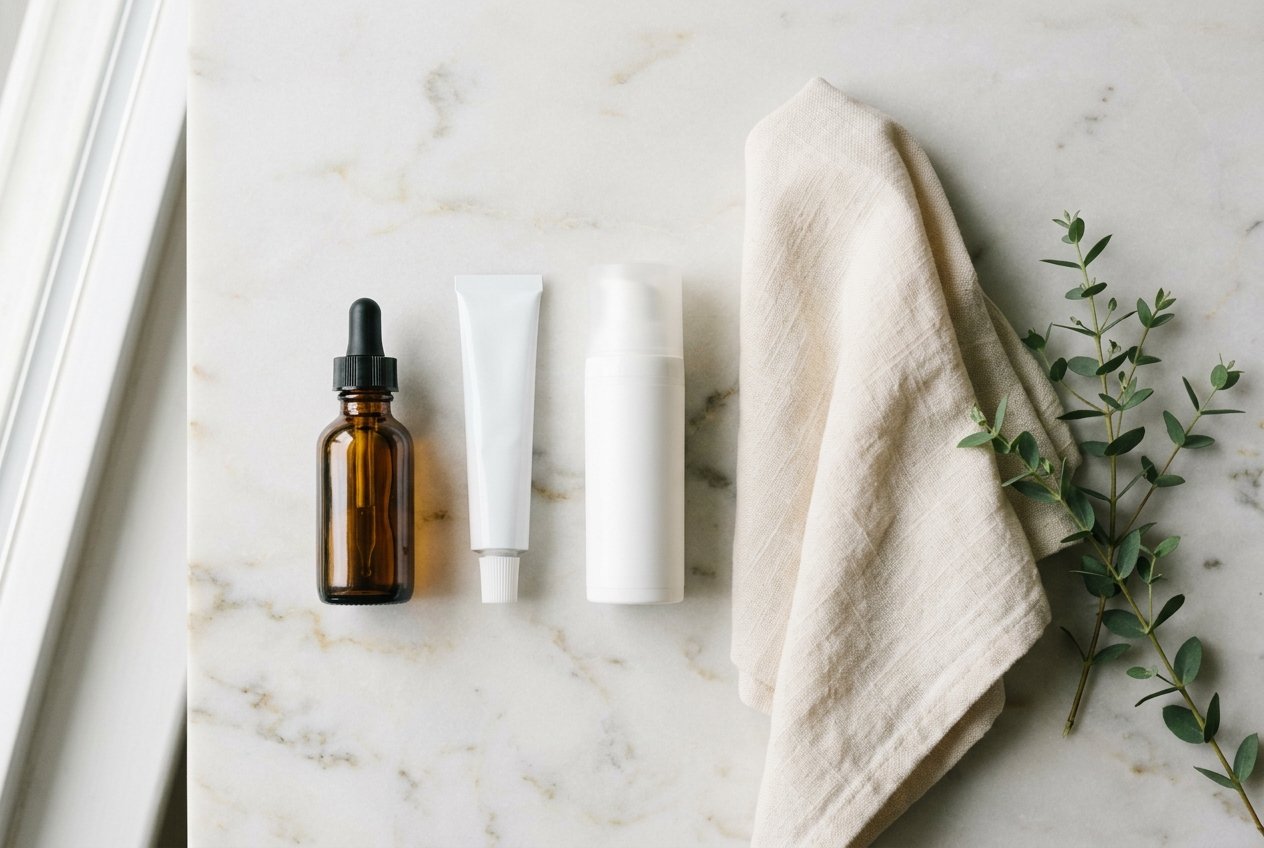
The routine is short and a little boring: a gentle chemical exfoliant a few nights a week, a retinoid to keep skin moving, lighter creams, sunscreen every morning, and time. Together they loosen what’s stuck and stop the next batch.
Start with a chemical exfoliant, not a gritty scrub. A salicylic acid (BHA) gets down into the oil around the bump. A mild glycolic or lactic acid (AHA) speeds up shedding on the surface. Two or three nights a week is plenty. More isn’t better. The American Academy of Dermatology says gentle chemical exfoliation beats harsh scrubbing, and that overdoing it just irritates your skin and makes things worse.
Then add a retinoid. It’s the first thing most dermatologists reach for with milia, because it pushes your skin to turn over faster, which helps trapped keratin rise and clear. Start slow, maybe two nights a week, and build up as your skin can take it. One thing people always ignore: retinoids and acids both make skin more sensitive, so use them on different nights, not stacked into one big routine. The dermatology team at the University of South Florida makes the same retinoid-first point.
After that, get out of your own way. Swap the heavy eye cream for a lighter gel. Wear sunscreen every morning. Give it four to six weeks. The bumps didn’t show up overnight, and they won’t leave overnight either.
What makes them worse?
Squeezing, first. There’s no opening, so all that pressure does is bruise the skin and sometimes push the cyst deeper. The needle trick from that oddly satisfying video is worse. Both the Cleveland Clinic and the AAD warn that digging them out at home leads to scars, infection and dark marks, and the risk is higher on deeper skin tones, where a little trauma can leave a stain that lingers.
Scrubbing is the next trap. Buffing the bumps feels like progress, but stiff brushes wreck your skin barrier, and a broken barrier makes more milia, not fewer. Piling on more oils and balms backfires the same way. Heavy products are usually what caused the bumps in the first place.
And please, no sewing needle at the sink at eleven at night. A dermatologist does this in seconds with the right tools. You, tired and squinting into a mirror, are risking a scar that lasts far longer than the bump would have.
How do you keep them from coming back?
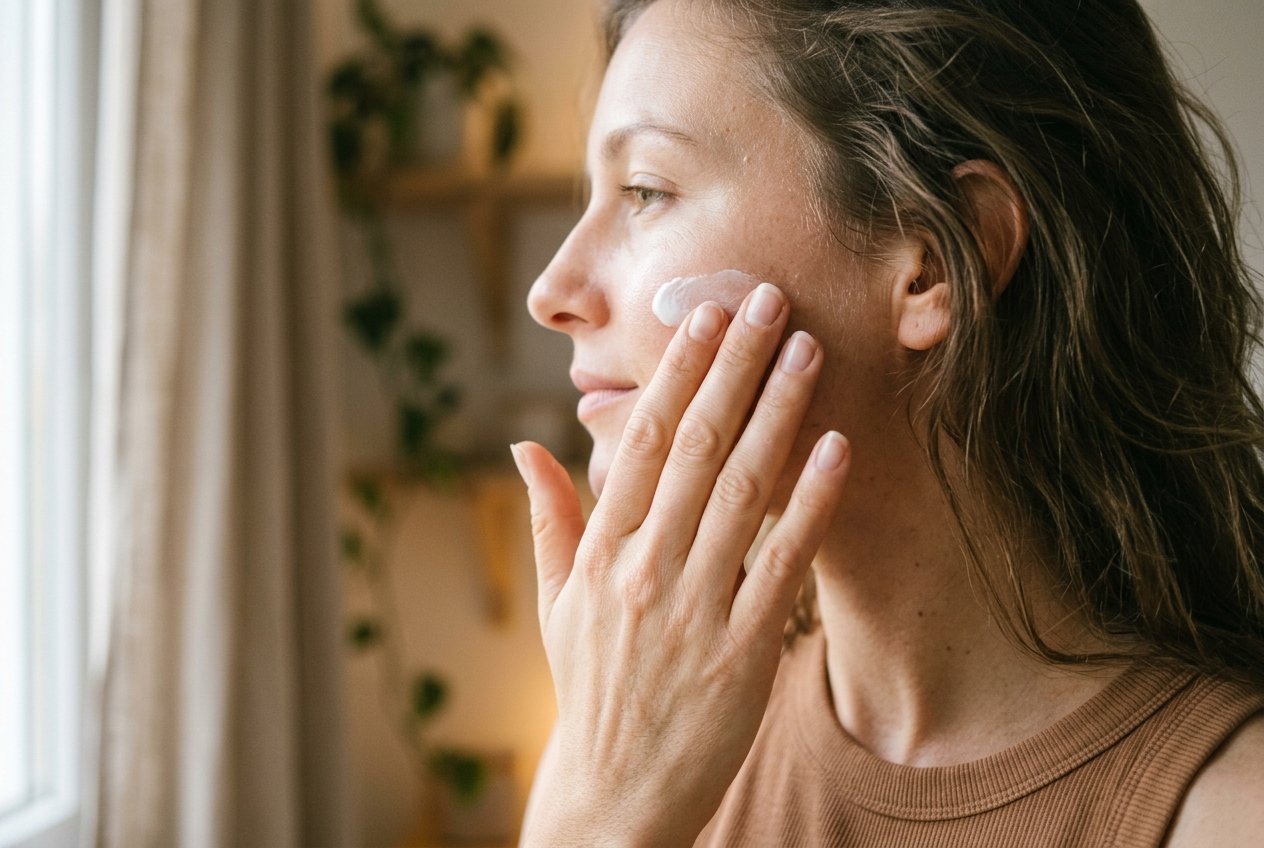
Keep the routine gentle and steady, so keratin never gets a chance to settle in. And be honest about your creams. If milia keep showing up in the same spot under your eyes, blame the eye cream. Mine only stopped for good after I traded a thick night balm for something much lighter.
Sunscreen earns its spot again. Shielding your skin from UV keeps it shedding on time instead of thickening and trapping keratin. A daily broad-spectrum SPF is the most boring anti-milia habit there is. It’s also the one that works.
When should you just see a dermatologist?
Go when the bumps are stubborn, when there are a lot of them, or when you just want them gone this week instead of next month. In-clinic removal is quick. A dermatologist uses a sterile lancet to nick the skin and lift the cyst out clean, and often adds a light retinoid plan to keep the next round away.
It’s one of the more satisfying five-minute appointments in skincare, and it takes the temptation to poke at them yourself off the table. If the bumps spread fast, showed up suddenly, or followed a burn, that visit also rules out anything that just looks like milia.
The real shift is in your head. Milia aren’t a pimple you beat in one big squeeze. They’re a quiet little sign that your skin needs some help renewing itself, and a lot less weight on top. Go gentle and steady, and most of the time they pack up and leave on their own.
Leave a Reply